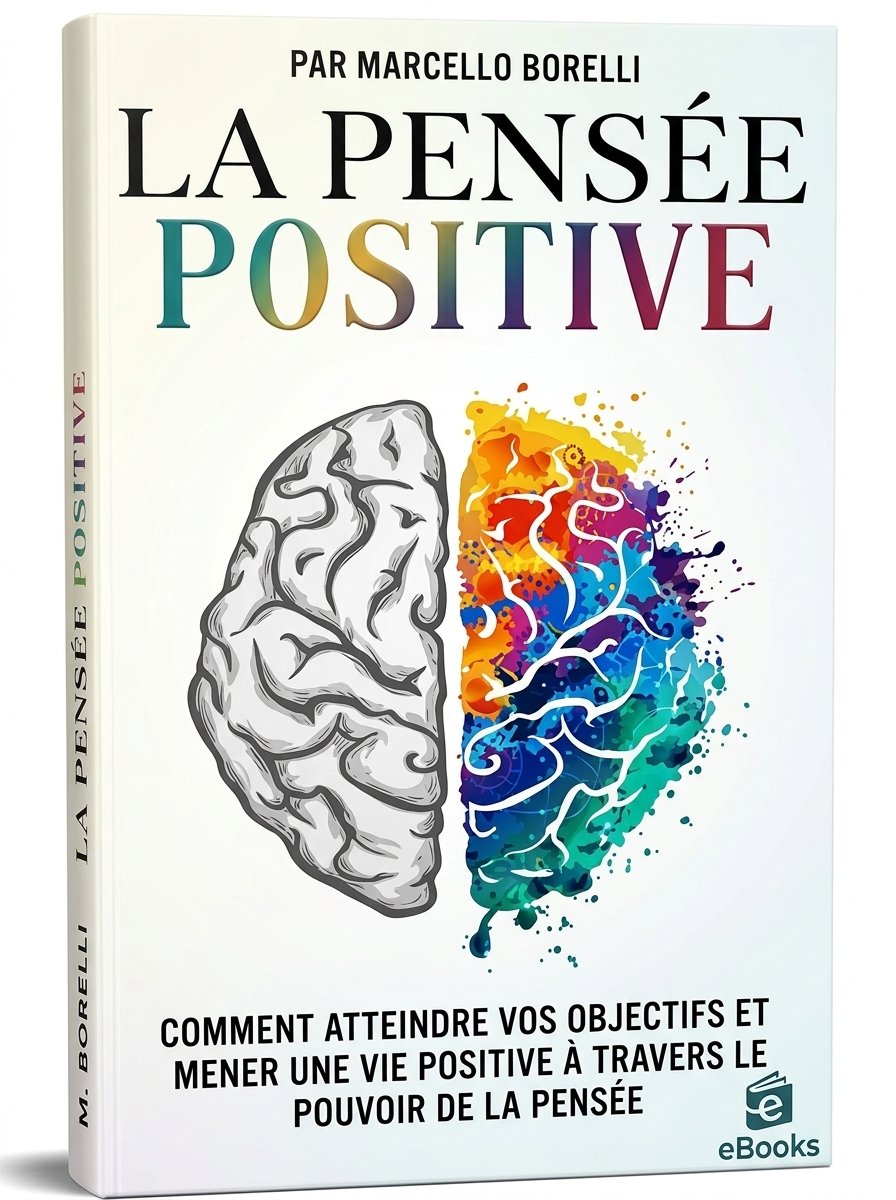
It promises happiness through mindset alone—smile at the mirror, visualise success, and the universe will deliver. From Instagram quotes to corporate seminars, positive thinking has become a modern gospel. But is it genuine help or toxic illusion? Beneath the cheerful affirmations lies a pressure cooker of guilt, denial, and emotional bypass. Let’s separate the useful tool from the dangerous mantra. This is the truth about its origins, its hidden traps, its real benefits, and when silence is healthier than a smile.
The American Export That Conquered the World
Positive thinking as we know it was not born in ancient wisdom but in 19th-century New Thought movements and 20th-century self-help bestsellers. Norman Vincent Peale’s The Power of Positive Thinking (1952) turned optimism into a Protestant work ethic. The truth? It spread because it serves capitalism: a happy worker complains less, consumes more, and blames only themselves for failure. France and Europe resisted for decades, calling it naive. Yet today, même les Français recite mantras. This is not universal truth—it’s a cultural product, packaged and sold like soap.
The Dark Side: Toxic Positivity
Forcing a grin while grieving or failing is not strength—it’s emotional suffocation. Toxic positivity says: “Don’t be sad, be grateful.” The truth is that this denies reality. When you lose a job or a loved one, telling yourself “everything happens for a reason” shuts down healthy anger and grief. Research shows that suppressing emotions increases anxiety and depression. Positive thinking becomes harmful when it replaces action. A smile does not pay bills. Pretending pain doesn’t exist only makes it fester. Real resilience includes feeling bad—without guilt.
When It Actually Works: The Real Mechanism
Not all positive thinking is useless. The useful version is not magical wishing but cognitive reframing. Instead of “I’ll fail,” you think “I’ll prepare and try.” The truth is that optimism helps only when paired with effort. Visualisation works for athletes because they also train. Saying “I am worthy” helps if you also seek therapy or build skills. The placebo effect is real—belief changes behaviour, which changes outcomes. But belief alone changes nothing. The secret is not thinking happy thoughts; it is replacing paralyzing fear with realistic hope and a concrete plan.
The Blame Game: Poverty, Illness, and Privilege
“Just think positive and you’ll heal.” This sentence has killed more hope than any disease. The cruelest lie of positive thinking is that your mindset creates your circumstances. A child born into war cannot manifest peace. A cancer patient cannot smile away tumours. The truth? This philosophy blames victims for their suffering. It is a luxury of the privileged. When wealthy gurus tell poor people to “raise their vibration,” they ignore systemic injustice. Real compassion says: some situations are unfair. You are allowed to rage. Positive thinking without structural change is just spiritualised cruelty.
The Healthy Alternative: Realistic Optimism
There is a third path between toxic cheerfulness and hopeless pessimism. It is called realistic optimism or grounded hope. You acknowledge the storm but believe you can find shelter. You say: “This is hard. I might fail. But I will try one small step.” The truth is that mental health requires flexibility—sometimes positivity helps, sometimes anger is correct. The goal is not constant happiness but appropriate response. Cry when sad. Plan when afraid. Laugh when joyful. Ditch the pressure to perform positivity. Real peace comes from accepting all emotions as valid, not painting over them with fake sunshine.