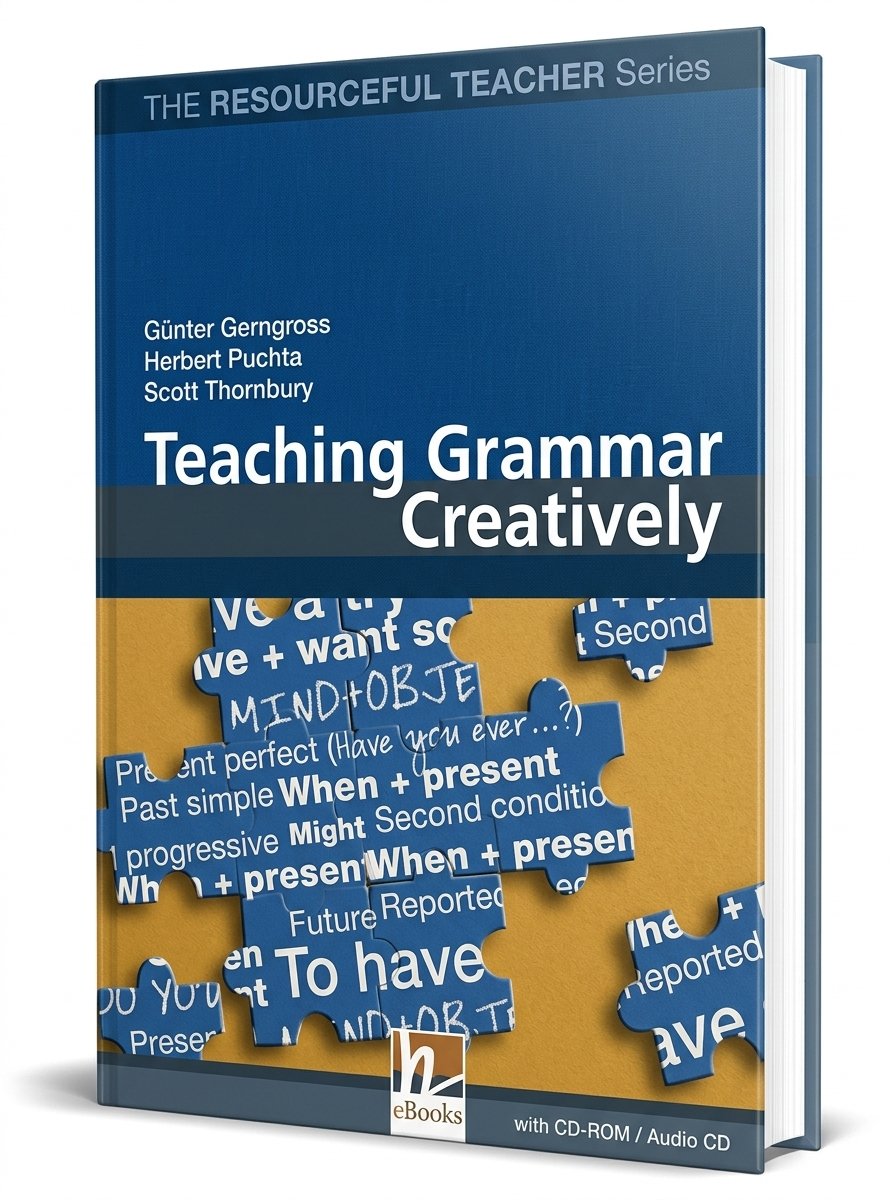
Traditional grammar drills often kill motivation. Teaching grammar creatively transforms rules into playful puzzles, stories, and art. It replaces rote memorization with discovery, helping students internalize structures naturally. By using songs, movement, and visual tools, educators unlock deeper understanding. This approach turns abstract concepts into tangible, memorable experiences—making accuracy a byproduct of engagement rather than fear.
Why Creativity Beats Drills
Teaching grammar creatively addresses diverse learning styles. A kinesthetic learner might act out verbs, while a visual student builds sentence diagrams with color-coded cards. Auditory learners thrive on jazz chants that embed tense rules into rhythm. When students co-create grammar comics or rap battles, they take ownership. This reduces anxiety and boosts retention because the brain links rules to emotion and context. Creative methods also reveal errors gently—through storytelling corrections—not red ink. Learners experiment without shame, leading to fluency faster than memorizing isolated rules.
Using Stories to Unlock Structures
Narratives are the heart of teaching grammar creatively. Ask students to write a “mad lib” short story, leaving blanks for prepositions or conjunctions. Alternatively, rewrite fairy tales from a new tense: “Cinderella is washing floors when the prince arrives” (present continuous vs. simple present). Story cubes with random images force spontaneous use of modals (“The robot might fly”). By embedding grammar in plot twists, learners see how word choice changes meaning. They forget they are studying rules—they just want to tell a better story.
Games That Hide the Lesson
Board games, card sorts, and digital quizzes make teaching grammar creatively feel like recess. “Sentence auction” pits teams against each other to buy correct sentences and sell errors. “Grammar bingo” with verb forms or articles rewards listening. A classroom escape room can require solving relative clause puzzles to open a box. These low-stakes competitions trigger dopamine, which aids memory storage. Students repeat patterns dozens of times without complaint because the goal is winning, not conjugating. Over time, accuracy becomes automatic.
Art and Movement as Grammar Tools
Draw, sculpt, or act—teaching grammar creatively leaves the desk behind. Have students illustrate prepositions (“the cat under the chair”) or create collage comics for reported speech. For conditionals, set up “human sentences”: each student holds a word and rearranges physically to show word order. Mime an action while peers guess the continuous tense. When the body and hands are involved, abstract rules become concrete. Artistic tasks also allow quiet learners to express understanding differently, ensuring no one is left behind.
Real-World Projects That Stick
Connect teaching grammar creatively to authentic products. Students write a restaurant menu (count/noncount nouns), record a weather forecast (future “going to”), or design a travel brochure (imperatives and comparatives). Peer editing a class newsletter makes article errors relevant. Projects give grammar a purpose—to persuade, inform, or entertain. When learners see real impact, they self-correct and consult guides naturally. The classroom becomes a workshop, not a courtroom, and grammar knowledge transfers to writing and speaking beyond the test.