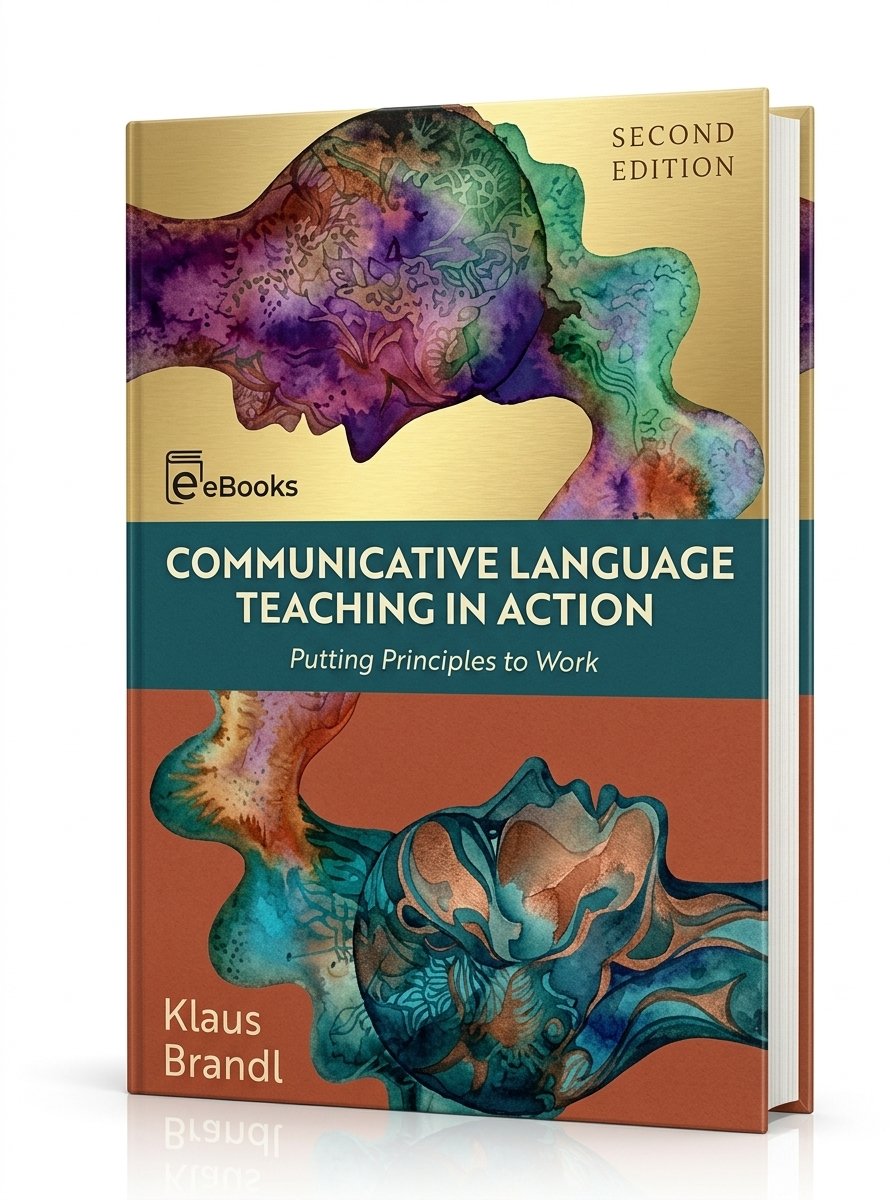
Communicative Language Teaching in Action describes a learner-centered approach where real-life communication drives language acquisition. Unlike rote memorization, it prioritizes meaningful interaction, fluency, and task-based activities. In practice, students engage in role-plays, problem-solving, and information gaps. The goal is not perfect grammar but the ability to express needs, opinions, and ideas spontaneously. This method mirrors natural language learning, where social context and purpose shape vocabulary and structure. Teachers act as facilitators, guiding students to negotiate meaning and use language authentically.
Core Principles of Communicative Language Teaching
Real communication is both the means and the ultimate goal. Lessons focus on functional language—greeting, persuading, requesting—rather than isolated grammar rules. Classroom activities mimic real-world scenarios, such as ordering food or resolving conflicts. Learners are encouraged to experiment with language, making errors as a natural part of development. Fluency takes precedence over accuracy during early stages, though corrective feedback is given selectively. This principle builds confidence and pragmatic competence, ensuring students can navigate social interactions outside the classroom.
Classroom Activities in Action
Pair work, group discussions, and role-plays form the backbone of daily lessons. For example, students simulate a doctor-patient appointment, using target phrases for symptoms and advice. Information gap exercises require learners to share missing details to complete a map or schedule. Debates on familiar topics encourage spontaneous argumentation. These tasks push students to listen actively and respond meaningfully, moving beyond scripted dialogues. Such activities transform passive knowledge into active use, making the classroom a microcosm of authentic communication.
Role of the Teacher and Learners
The teacher shifts from authoritarian to coach, designing tasks and monitoring without constant interruption. They provide scaffolding—modeling phrases or rephrasing questions—before stepping back. Learners become negotiators, taking risks and collaborating to convey messages. Peer correction and clarification requests are common. This dynamic fosters autonomy; students learn strategies for circumventing vocabulary gaps, such as paraphrasing or asking for repetition. Mutual responsibility for understanding creates a supportive community, reducing anxiety and encouraging participation.
Benefits and Real-World Outcomes
Students trained in this method typically develop higher speaking and listening proficiency faster than grammar-focused peers. They handle unpredictable conversations—like asking for directions or handling a complaint—with greater ease. Writing and reading also improve through meaningful contexts, such as drafting emails or interpreting signs. Critically, motivation rises as learners see immediate practical value. Communicative Language Teaching in Action thus bridges school drills with street-level reality, preparing students not for tests, but for life.